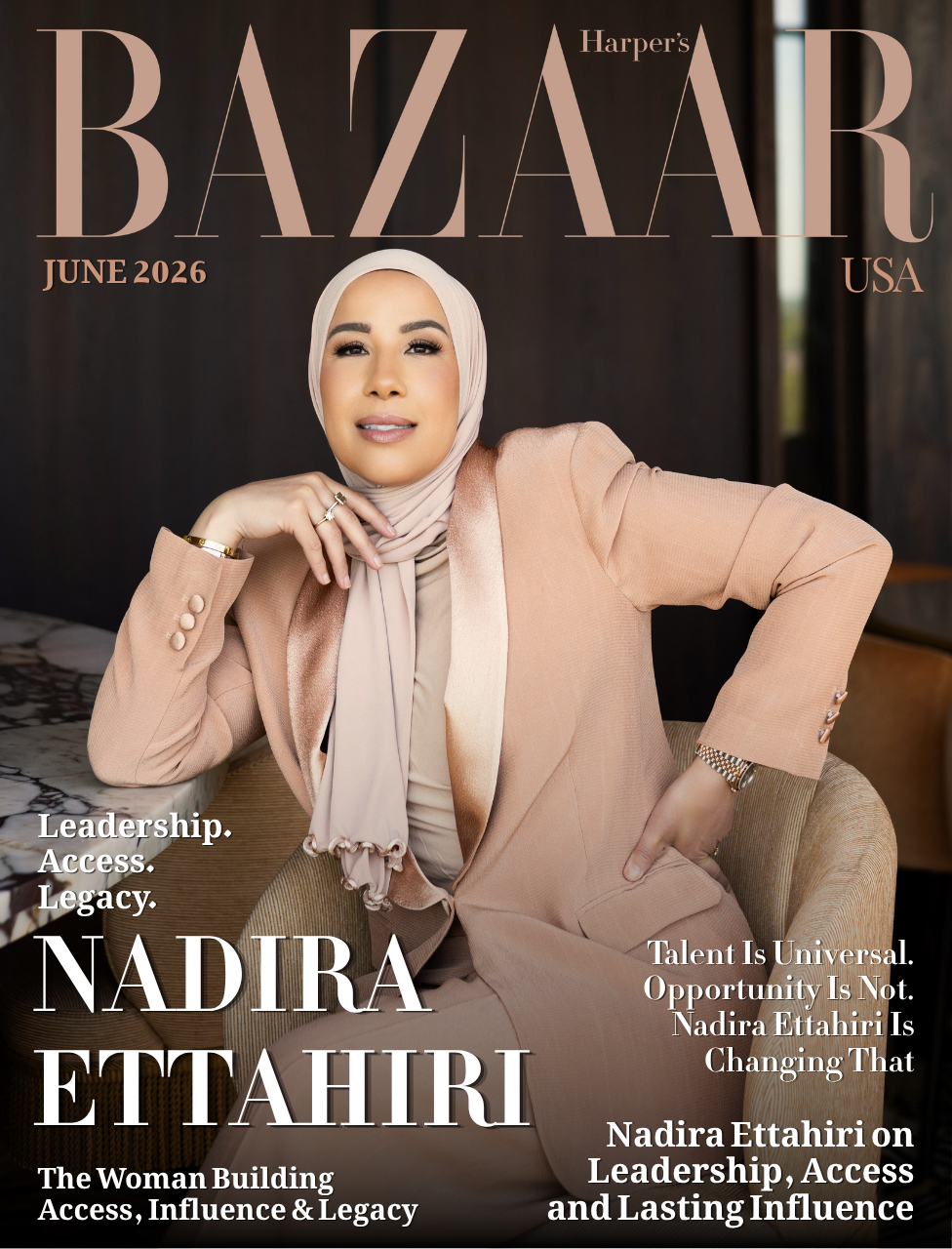
More Than an Entrepreneur: The Woman Turning Opportunity Into Impact
Some entrepreneurs build companies. Others build brands. Nadira Ettahiri has spent more than two decades building something even more powerful: access.
For over 23 years, the Dutch entrepreneur, CEO, speaker and thought leader has dedicated her career to opening doors, connecting people and creating opportunities that extend far beyond the boardroom. As the Founder and CEO of ABTRO and AVA, she has become known not only for her business success, but for the lives she has helped shape, the talent she has elevated and the legacy she is now intentionally building.
At the heart of Nadira’s work is a belief that feels both urgent and timeless: talent is universal, but opportunity is not.
It is this conviction that has guided her entrepreneurial journey from the beginning. Long before diversity, inclusion and cultural intelligence became central themes in modern business, Nadira recognised a reality that many institutions were still ignoring: the Dutch labour market was changing, becoming increasingly international, multilingual and multicultural. She understood that traditional systems were not built for everyone equally, and that talented people were too often overlooked because of language, background, gender, network or circumstance.
Where others saw complexity, she saw responsibility. Where others saw a gap, she saw possibility.
And so she began building.
The Entrepreneurial Vision Behind ABTRO and AVA
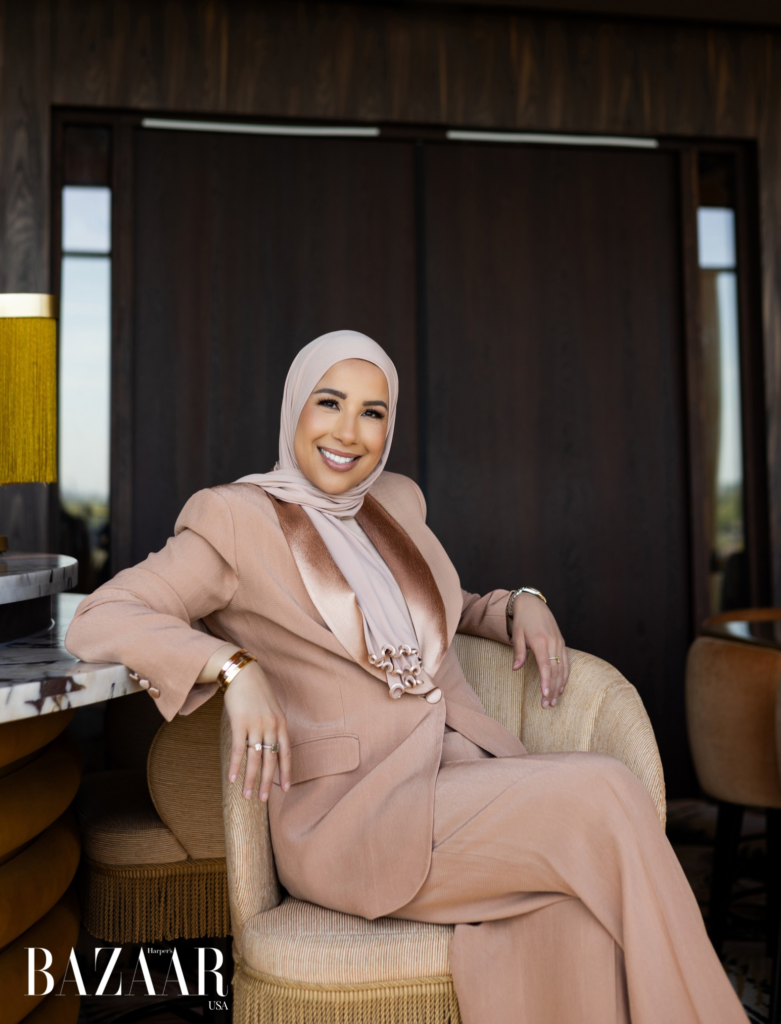
As Founder and CEO of ABTRO and AVA, Nadira Ettahiri pioneered the first company in the Netherlands specialising in reintegration and occupational health for multilingual and multicultural workforces. It was a bold and forward thinking move, one that positioned her far ahead of the market.
Her companies were built on the understanding that employability, wellbeing and reintegration cannot be approached through a one size fits all model, especially in a labour market shaped by migration, internationalisation and cultural diversity. Nadira saw that sustainable employability required more than standard processes. It required empathy, cultural intelligence and systems designed to understand people in the full context of their lives.
What began as an entrepreneurial opportunity quickly evolved into a broader mission: ensuring that talent is never dismissed because of barriers that have nothing to do with capability.
Through ABTRO and AVA, Nadira built organisations that not only serve businesses but also support people, particularly those navigating systems that often fail to reflect their realities. Her work has helped create pathways back into employment, improved workplace wellbeing and enabled organisations to engage more effectively with diverse teams and employees from many different nationalities.
Today, companies that understand the future of work increasingly turn to organisations like ABTRO and AVA because they recognise that inclusion is not a side initiative; it is a strategic necessity. Nadira saw that future long before it became fashionable language in boardrooms.
A Career Built on More Than Profit
There is a difference between building a successful business and building a meaningful one. Nadira Ettahiri has done both.
Her career reflects a model of entrepreneurship that does not separate commercial success from social impact. Instead, it treats them as deeply connected. Profitability matters. Growth matters. But what matters just as much is what that growth makes possible for other people.
This is one of the defining qualities of Nadira’s leadership. She is not interested in success as a personal endpoint. She is interested in success as a platform, something that can be used to create access, unlock potential and widen the path for others.
That philosophy can be felt in every part of her story. It appears in the businesses she has built, in the people she mentors, in the opportunities she creates and in the way she speaks about leadership itself. For Nadira, leadership is not measured by visibility alone, nor by titles, status or financial results. It is measured by what you make possible for others.
As she puts it: “Leadership is measured by the opportunities we create for others.”
That sentence captures more than a leadership principle. It captures the architecture of her life’s work.
From Building Companies to Building Access
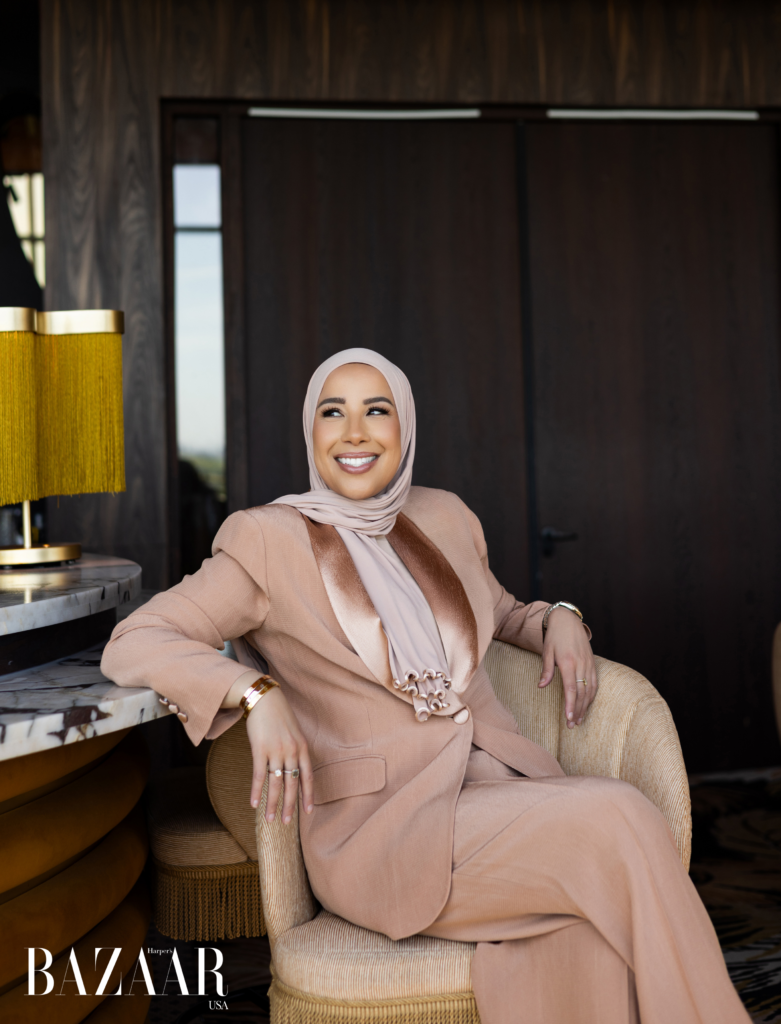
Over time, Nadira’s work has grown beyond entrepreneurship in the conventional sense. While she remains a business leader and CEO, her platform today sits at the intersection of leadership, opportunity, influence and representation.
She has evolved from building companies to building access.
That evolution matters because it reflects a broader shift in how she defines impact. Nadira is increasingly recognised not only for the organisations she founded, but for the ecosystem she is helping create around them, an ecosystem where talent, influence, strategic partnerships and meaningful connections come together to open doors for others.
This is where her role as a speaker, connector and thought leader becomes especially significant. Through public conversations, strategic collaborations and her international network, she is helping shape a narrative around success that is more expansive than individual achievement. It is a narrative rooted in legacy, responsibility and the power of visibility.
Nadira understands that access changes lives. A single introduction can change a career. A visible role model can change what a young woman believes is possible. An opportunity offered at the right time can alter not just one future, but an entire generation.
That understanding is deeply personal.
The Power of Representation
Nadira Ettahiri’s story is also a story about representation, about what it means to grow up without seeing many visible role models who reflect your own background, and what it means to become that role model for others.
She knows firsthand that the absence of representation can quietly shape ambition. When people do not see themselves in positions of influence, leadership or success, it becomes harder to imagine that those spaces belong to them too. Visibility, in that sense, is not superficial. It is structural. It expands possibility.
That is why Nadira speaks so powerfully about women in leadership, about the importance of role models and about the need to create pathways for the next generation. She does not treat representation as symbolic. She treats it as practical. Necessary. Transformative.
“Representation expands what people believe is possible,”** she says.
In a world where so many talented people still struggle to access the networks, rooms and opportunities that shape careers, representation becomes more than inspiration, it becomes infrastructure. It helps people imagine a different future, and then gives them evidence that it can be built.
For women, entrepreneurs and emerging leaders, Nadira’s journey offers precisely that kind of evidence. It shows that leadership can be both ambitious and deeply human. It shows that success can be strategic and generous at the same time. And it shows that influence becomes more meaningful when it is used to lift others.
The Access Economy: Why Opportunity Matters as Much as Talent
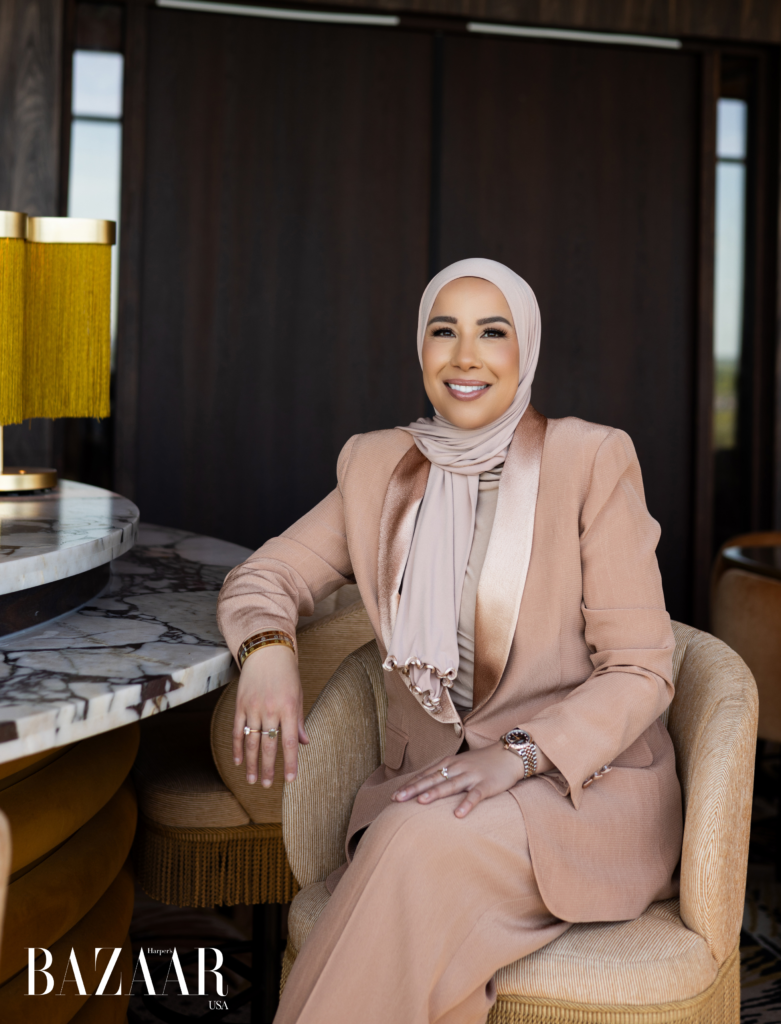
One of the most compelling ideas at the centre of Nadira’s work is her belief in what might be called the access economy, the idea that talent alone is not enough if people are locked out of the networks, platforms and opportunities that allow talent to be seen.
This insight has shaped her career from the beginning. It is also what makes her voice so relevant in conversations about the future of work, inclusive growth and leadership in a rapidly changing world.
The assumption that hard work and talent automatically lead to opportunity is one of the most persistent myths in professional life. Nadira’s work challenges that myth directly. She understands that systems are not always neutral, and that access is often unevenly distributed. Some people inherit networks. Others have to build them from scratch. Some people enter rooms where opportunity already exists. Others must first convince those rooms to let them in.
That is why her signature quote resonates so deeply: “The problem was never talent. The problem was access.”
It is a powerful reframing of how we think about leadership, inclusion and economic mobility. It shifts the conversation away from whether people are capable and toward whether systems are designed to recognise, support and elevate that capability fairly.
Nadira’s work asks organisations, leaders and institutions to confront that question honestly. Are we building systems that reward talent or systems that reward familiarity? Are we making space for people who do not fit traditional moulds? Are we designing workplaces, partnerships and leadership pipelines that reflect the realities of a global workforce?
These are not abstract questions. They are business questions, social questions and leadership questions all at once. And Nadira’s career stands as a response to them.
Leadership, Influence and the Responsibility of Success
With success comes visibility. With visibility comes influence. And with influence, Nadira believes, comes responsibility.
This is another defining theme of her work: the idea that achievement should not end with personal advancement. It should create momentum for others. It should widen access, not narrow it. It should make the next journey easier for someone else.
This is why Nadira speaks about legacy with such clarity. She is not interested in legacy as a monument to personal success. She is interested in legacy as something living, something reflected in the doors opened, the people elevated and the opportunities created long after the applause fades.
“I don’t want to be remembered for the companies I built. I want to be remembered for the doors I opened.”
It is a statement that reveals both humility and ambition. Humility, because it shifts attention away from status and toward service. Ambition, because opening doors at scale is no small goal. It requires vision, credibility, influence and relentless commitment.
But Nadira has spent more than two decades building exactly those things.
Her entrepreneurial achievements have already earned her international recognition, including prestigious awards in London for her contributions to entrepreneurship, leadership and social impact. Yet what distinguishes her is not recognition itself, but what she is doing with it. She is using that credibility to build a larger platform, one dedicated to expanding access to leadership, visibility, economic opportunity and meaningful connection.
A Legacy Still Being Written
In many ways, Nadira Ettahiri’s story is still unfolding. She is not simply reflecting on a career of accomplishments; she is actively building the next chapter of her impact.
That chapter is about scale. About extending influence beyond individual businesses and into a broader movement around opportunity, leadership and access. It is about using entrepreneurship not only to generate value, but to reshape what value means. It is about proving that success becomes more meaningful when it creates possibilities beyond yourself.
Nadira’s ambition is clear: she does not want to be known solely for the companies she built. She wants to be known for the opportunities she created, the people she elevated and the legacy she leaves behind.
And perhaps that is the most compelling thing about her story. In a culture that often celebrates entrepreneurship as personal triumph, Nadira Ettahiri offers a different model, one where success is measured not just by growth, revenue or visibility, but by access. By impact. By who gets to rise because you did.
Her mission is simple, but profound: to expand access to leadership, influence and opportunity so that talent, not circumstance, determines what is possible.
That mission feels especially urgent in a world where inequality of access still shapes too many futures. But it also feels hopeful, because Nadira’s life demonstrates that change is not only possible; it can be built deliberately, strategically and at scale.
One opportunity can change a life. One life can change a generation.
Nadira Ettahiri is building for both.