
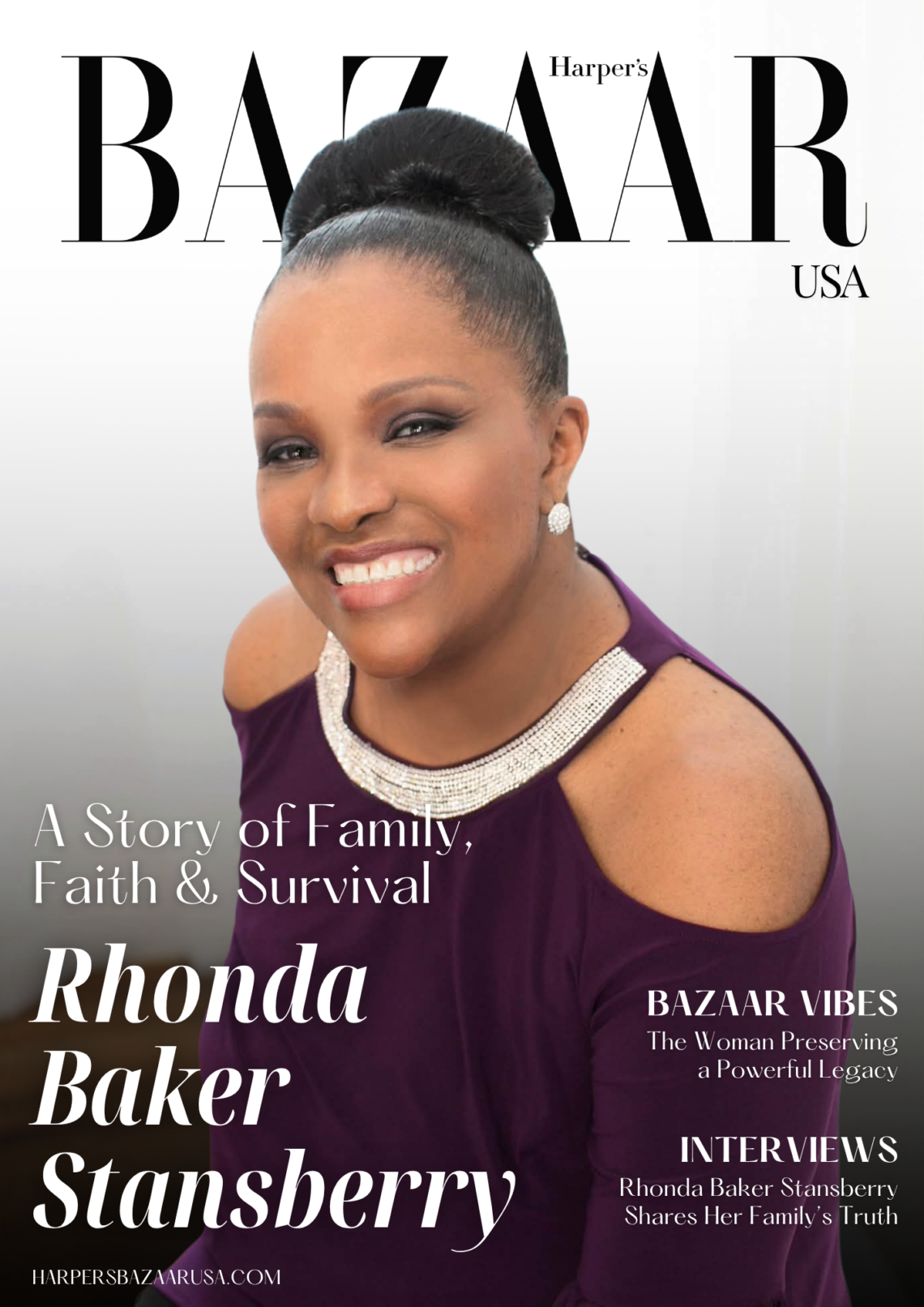
In the quiet aftermath of a successful book signing event at Chamblin Bookmine in downtown Jacksonville, the atmosphere shifted from applause and conversation to reflection and emotion. Sitting calmly on a small leather couch was Rhonda Baker Stansberry — a woman whose voice carries the weight of memory, loyalty, and history.
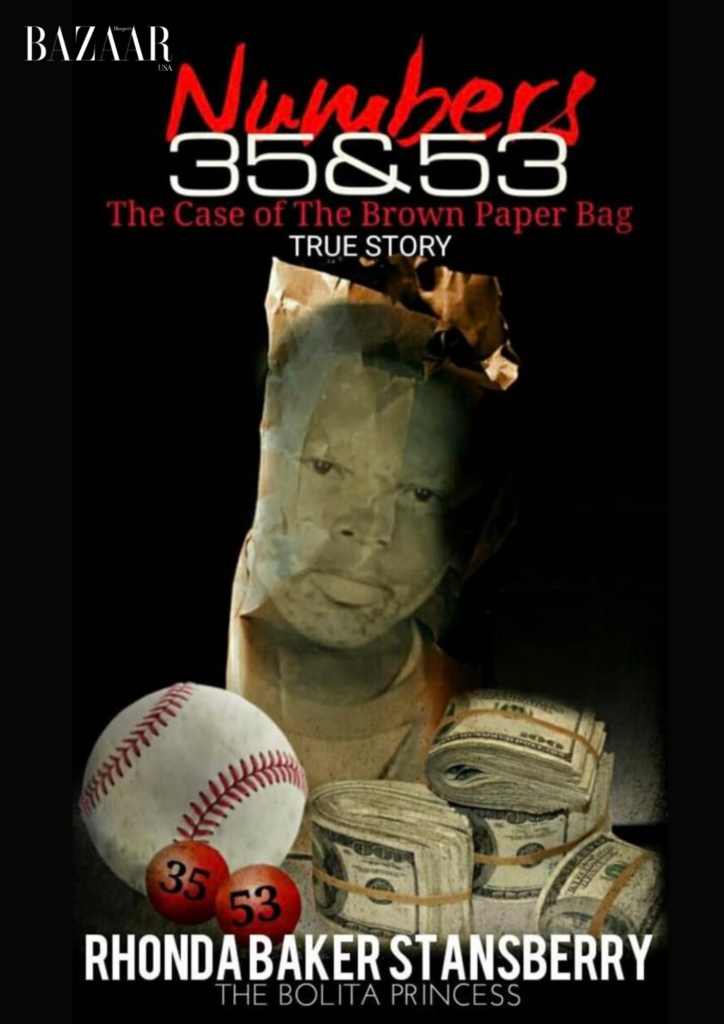
Moments earlier, she had stood before a room full of readers sharing deeply personal stories tied to her family, her father, and one of Jacksonville’s most controversial eras. Her book, Numbers 35 & 53: The Case of the Brown Paper Bag, is not simply a memoir. It is a heartfelt tribute to her father, Frank Price “Chico” Baker, a man who became known throughout the community as “The Bolita King.”
As the evening slowed down, Stansberry reflected quietly on the emotional journey she had just revisited. Though visibly moved, she remained warm and welcoming, willing to speak openly about the man whose life inspired her work.
“This book is not about me,” she explained with emotion in her voice. “It’s about my Daddy.”
That single sentence captured the entire spirit of her story.
More Than a Father
To Rhonda Baker Stansberry, Frank Price “Chico” Baker was far more than a public figure tied to Jacksonville’s underground gambling scene. He was her protector, her role model, and the man who shaped her understanding of love, faith, and family.
Throughout the conversation, one thing became immediately clear — her admiration for her father comes not from wealth or influence, but from the time he dedicated to his family.
“He believed time was the greatest gift a parent could give a child,” she shared. “He could have bought me anything, but instead he gave me himself — his time, his wisdom, and his faith.”
In today’s world, where success is often measured through money and material possessions, her words felt deeply human and refreshing. She described a man who valued presence over luxury, connection over status, and spiritual guidance over public approval.
For Stansberry, the word “Daddy” carries a meaning much deeper than biology.
“Father is just a title on a birth certificate,” she said softly. “But Frank Price ‘Chico’ Baker was my Daddy.”
The emotion behind those words reflected years of devotion and remembrance.
The Reality of Jacksonville’s Past
The story of Frank Baker cannot be separated from the social climate of the American South during the mid-20th century. According to Stansberry, the environment her father navigated was shaped heavily by segregation, racial inequality, and limited economic opportunities for Black men.
When discussing what pushed her father toward Bolita gambling and racketeering, her answer came immediately.
“Jim Crow. The South. Jacksonville,” she stated directly.
Bolita, an illegal lottery system popular in Florida during that era, became a source of income and survival for many individuals living in marginalized communities. Stansberry explained that her father was intelligent and ambitious but faced barriers that restricted traditional opportunities.
“He didn’t finish college, but he was intelligent. He did what he felt he had to do,” she said.
Her perspective does not attempt to erase the illegal nature of the business. Instead, it provides context to the difficult choices many people were forced to make during that time.
She acknowledged openly that her father operated an illegal lottery but pointed out the irony that modern legalized lottery systems now resemble the same activities for which her father faced severe punishment.
“Yes,” she admitted with a laugh. “The same type of lottery that is now legal was once what my father risked prison for.”
A Man Under Pressure

Throughout the interview, Stansberry spoke honestly about the intense scrutiny her father endured from law enforcement and federal authorities.
“The police and the Feds wanted to bring down my Daddy,” she explained. “Back then in Jacksonville, a Black man with money and influence was seen as a threat.”
Her book details federal cases, investigations, and accusations connected to her father’s business dealings. Among the most serious allegations were claims involving drugs reportedly planted inside his 1968 Mercedes-Benz 280 SL, a case she says was ultimately dismissed after years of legal struggle.
Despite the pressure surrounding him, Stansberry remembers her father as a man who maintained dignity, style, and faith throughout every challenge.
“I don’t want to describe him as a king, a god, or a saint,” she clarified. “He was simply a good, God-fearing man who chose to live life on his own terms.”
She also recalled one of his favorite sayings:
“I live every day as if it were my last.”
Those words now carry even greater significance considering that Frank Baker passed away at only 47 years old.
Stansberry believes the constant legal battles and emotional pressure took a devastating toll on him.
“There is a God,” she said firmly. “Every charge they brought against him eventually fell apart. But the pressure, the accusations, and the constant scrutiny weighed heavily on him.”
Dreams Beyond the Streets
One of the most surprising aspects of Frank Baker’s story is that his life could have taken a completely different direction.
Before entering the world of Bolita gambling, Baker pursued dreams in professional baseball. According to Stansberry, he spent time with the Kansas City Monarchs and later received a training opportunity connected to the Pittsburgh Pirates organization.
However, his aspirations were reportedly disrupted by vitiligo, a skin condition that was poorly understood during that era. The condition affected not only public perception but also his opportunities within professional sports.
This chapter of his life reveals another layer to the man behind the legend — someone with athletic talent, ambition, and dreams that extended far beyond Jacksonville’s underground economy.
Writing the Story Her Father Never Could
Perhaps the most emotional part of the interview came when Stansberry explained why she decided to write the book herself.
“My Daddy intended to write this book,” she said through tears. “But God called him home on April 24, 1983.”
For her, the project became more than a publication. It became a responsibility.
She understood that history often leaves certain voices unheard, especially stories connected to Black communities, controversial public figures, and families shaped by struggle.
“He never had the opportunity to tell his own story,” she explained. “So I told it for him.”
Even though some relatives reportedly opposed publishing such a personal and unfiltered account, she remained committed to honoring her father honestly.
“People enjoy the blessings,” she said. “They just don’t always want to acknowledge the story behind them.”
Her determination reflects a daughter’s unwavering loyalty — not because she believes her father was perfect, but because she believes he deserves to be understood fully.
The Legacy of Rhonda Baker Stansberry and the Bolita King

Today, Rhonda Baker Stansberry continues expanding her creative journey as a singer, actress, and published author. She also revealed that she is currently shopping a screenplay titled The Bolita King: The Frank Baker Story.
Yet despite her own accomplishments, she always returns to the same central truth: her father’s memory remains at the heart of everything she does.
Before the conversation ended, she was asked one final question:
“Why do you call yourself ‘The Bolita Princess’?”
Her response came with a smile filled with pride and affection.
“Because they called my Daddy ‘The Bolita King,’” she said. “And if your Daddy is a king, then you’re a princess.”
In the end, Numbers 35 & 53: The Case of the Brown Paper Bag is not merely a story about gambling, crime, or controversy. It is a story about family, resilience, identity, and the complicated realities of survival during a difficult period in American history.
Most importantly, it is the story of a daughter determined to ensure that her father is remembered not simply for the accusations surrounding his life, but for the humanity that existed within it.