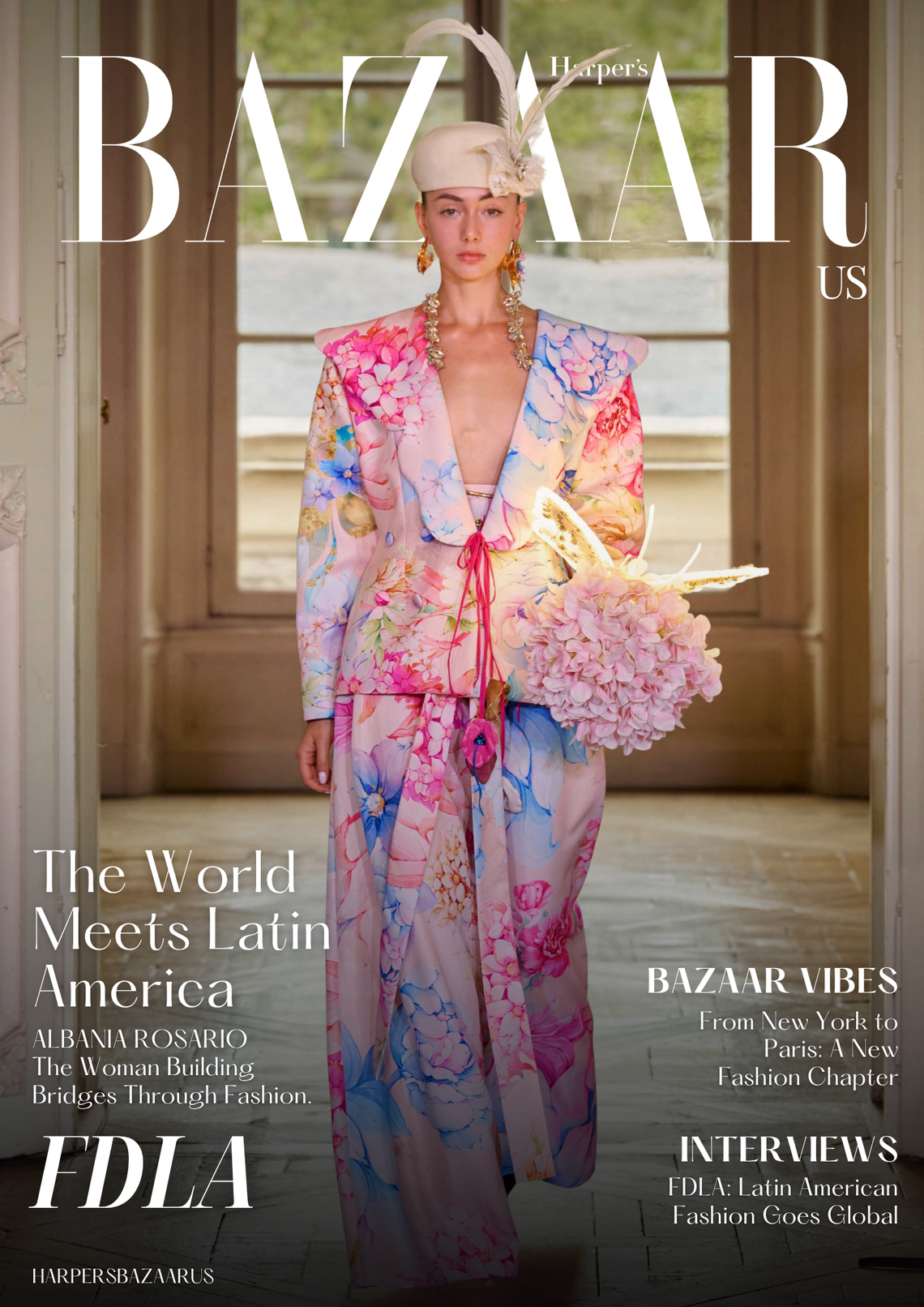
Fashion has always been more than clothing. It can be a language of identity, heritage, craftsmanship and ambition, capable of carrying a culture far beyond its place of origin. For Fashion Designers of Latin America, that idea has become the foundation of a growing international movement. In September 2026, FDLA demonstrated the strength of that mission through two significant moments: a dynamic five day New York Fashion Week SS 2027 celebration and a landmark first presentation in Paris.
Led by Founder and CEO Albania Rosario, FDLA continues to create opportunities for Latin American and multicultural designers to reach audiences beyond their traditional markets. From the runways of Manhattan to the historic Maison de l’Amérique Latine in Paris, the organization’s latest season reflected an increasingly global vision for Latin American fashion.
Five Days of Fashion, Culture and Connection in New York
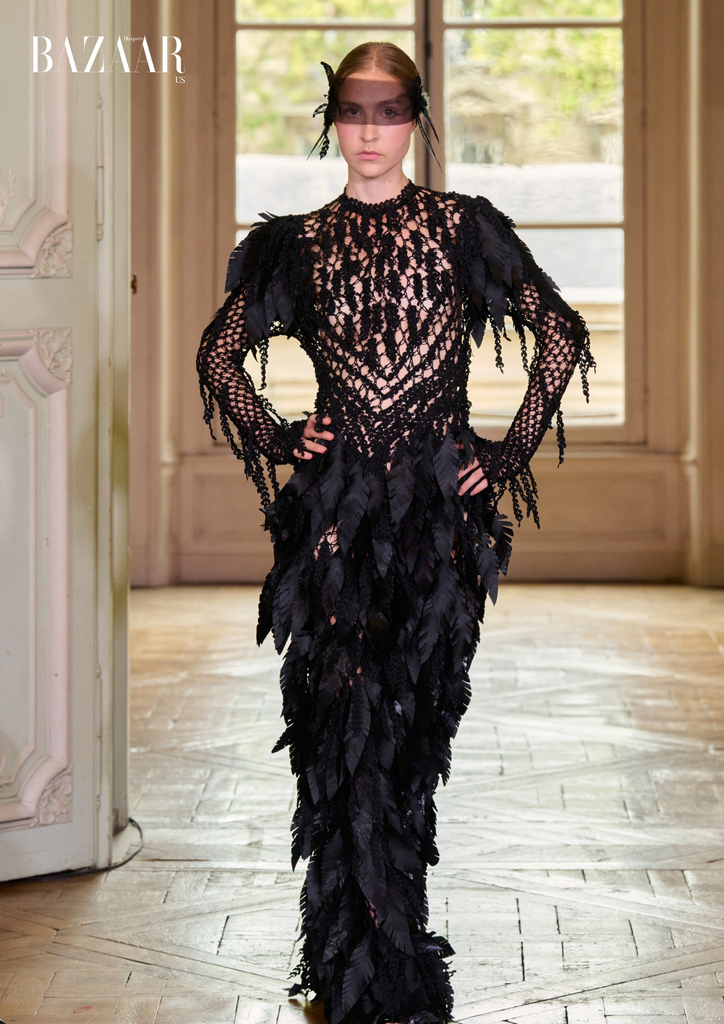
FDLA’s New York Fashion Week SS 2027 programming took place from September 11 through September 15, bringing together designers, brands, media professionals, industry leaders and fashion audiences across several locations throughout New York City.
Rather than limiting its programming to traditional runway presentations, FDLA created a broader fashion experience that incorporated cultural events, editorial celebrations, industry networking and commercial opportunities.
The season began on September 11 with an intimate cocktail reception and presentation featuring renowned Spanish designer Agatha Ruiz de la Prada. Her presence established an international tone for the week, emphasizing the importance of cultural exchange and creative collaboration within the fashion industry.
The following day, FDLA celebrated the September issue of FDLA Spotlight Magazine, its official editorial platform, at INNSiDE by Meliá New York Nomad. The event provided another opportunity to recognize the designers and creative voices contributing to the organization’s growing international community.
The momentum continued on September 13 at Lavan Midtown, where FDLA presented one of its largest runway programs of the season.
Latin American Designers Take Center Stage
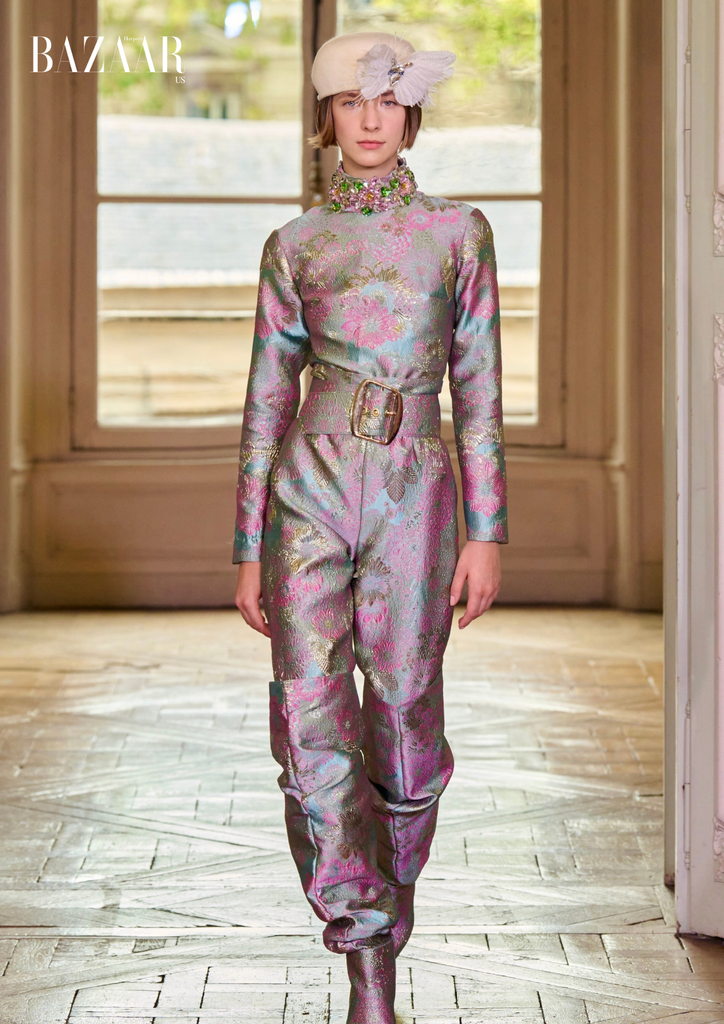
One of the highlights of the New York schedule was PUENTE Internacional, presented in collaboration with the Bogotá Chamber of Commerce. The showcase introduced New York audiences to a group of Bogotá based brands, including Ciento Cinco Lunares, Tan Basicx, Clarissa Rosania, Day Moda Sostenible, Franchi e Punto and OVAT.
Their presence demonstrated the depth of Colombia’s contemporary fashion landscape while highlighting the entrepreneurial spirit behind emerging Latin American labels.
The evening continued with FDLA’s international runway presentations, featuring designers representing several countries throughout the region. Starling de Holma from the Dominican Republic, Ashley Stambouli from Venezuela, Jaspe by Vito from Guatemala, Idol Jose from Venezuela, Mónica Schuster from Colombia, Eugenia Lemos from Chile, GIPCCO from Argentina, Carlos Sierra from Venezuela and Virgilio Madinah from Colombia each contributed a distinct creative perspective.
Together, the designers illustrated why Latin American fashion cannot be defined by one visual identity. The region encompasses an extraordinary range of cultures, histories, techniques and artistic approaches. Some designers emphasized contemporary silhouettes and international trends, while others drew inspiration from craftsmanship, cultural heritage and regional identity.
For FDLA, creating a platform where those different voices can exist together is central to its purpose.
Fashion Moves Into the Heart of New York
On September 14, FDLA brought its closing immersive runway and performance show to The Theater at United Palace.
The historic Washington Heights venue provided a dramatically different environment from the traditional fashion spaces of Manhattan. The evening featured The Life of Giannina Azar, celebrating the work of Dominican designer Giannina Azar through a combination of fashion and performance.
The decision to bring the event uptown also reflected FDLA’s broader cultural mission. New York’s Latin American communities have played an important role in shaping the city’s cultural identity, and FDLA’s presence in Washington Heights created an opportunity to connect international fashion with a community that understands the importance of Latin American heritage firsthand.
The event was preceded by an FDLA press gathering, bringing together members of the media and fashion industry.
From Runway Visibility to Real Opportunities
For Albania Rosario, fashion week is not simply about producing a spectacular runway moment. The organization’s vision extends to what happens after the lights go down.
That philosophy was evident on September 15, when the SS 2027 calendar concluded with an FDLA showroom event at The Canvas.
Through FDLA and Marcas Latam, its fashion showroom and commercial platform, the organization is working to create connections between Latin American brands, buyers, consumers and international markets.
The showroom concept reflects a growing need within the fashion industry. Exposure can introduce a designer to an audience, but sustainable growth requires relationships, commercial opportunities and access to new markets.
Rosario has described FDLA’s purpose as creating a bridge between Latin American designers and the global fashion industry. New York therefore represents not just a destination, but a marketplace where creative visibility can potentially become long term opportunity.
A Historic First Chapter in Paris
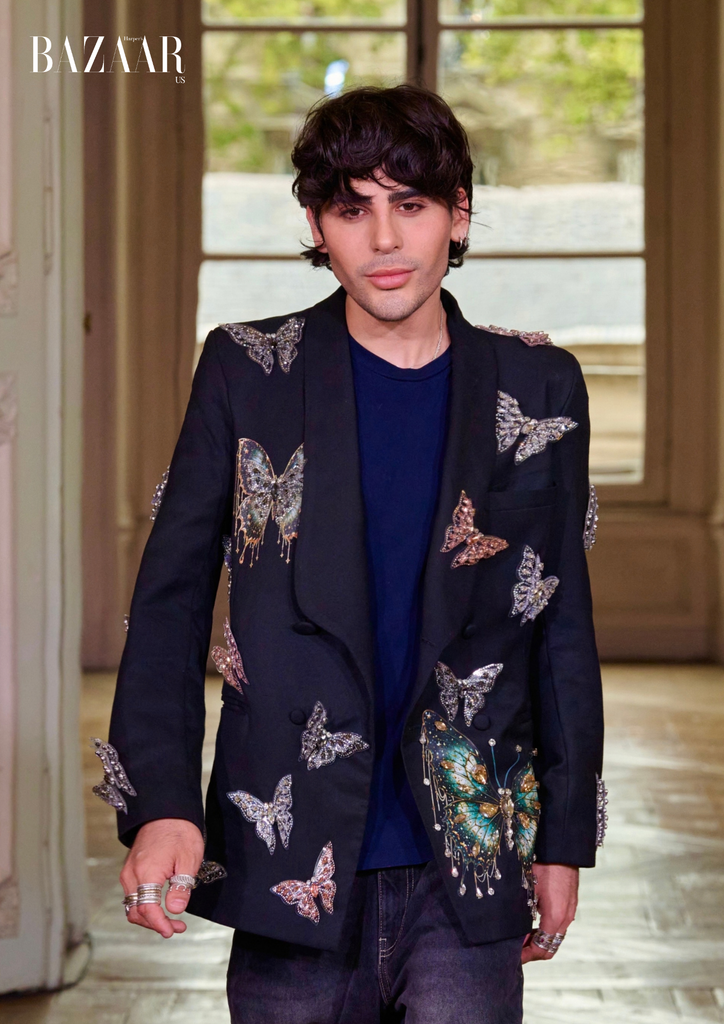
Just weeks after its New York Fashion Week programming, FDLA reached another milestone.
On September 30, 2026, Fashion Designers of Latin America presented its first Paris showcase at Maison de l’Amérique Latine in collaboration with 1211 Production.
The presentation was a significant step in FDLA’s international expansion. Paris occupies a unique position in the global fashion landscape, and bringing Latin American designers into such a setting created an opportunity to introduce their work to an entirely new international audience.
The presentation welcomed a full house and featured five distinctive design voices: Michelle Espinoza, Urban Palais, Ivanildo Nunes, Jesús de la Garsa and Valverde.
For Rosario, the moment represented more than another international fashion event. It represented the realization of a vision built around creating bridges between Latin American creative talent and the wider fashion industry.
She described the Paris presentation as an emotional milestone, particularly because the full audience demonstrated that there was genuine interest in discovering Latin American designers in an international setting.
Five Designers, Five Distinct Perspectives
The Paris presentation emphasized the diversity of Latin American fashion through five different creative approaches.
Michelle Espinoza brought an expressive and glamorous aesthetic to the runway, combining color, femininity and handcrafted details. Crystals, appliqués and three dimensional elements contributed to sculptural designs that celebrated the body while maintaining an artistic sensibility.
Urban Palais followed with a contemporary interpretation of femininity, emphasizing confidence, sensuality and polished design through a modern Mexican perspective.
Representing Brazil, Ivanildo Nunes introduced a design language rooted in craftsmanship, innovation and cultural identity. His work highlighted the possibilities of traditional artisanal techniques within contemporary fashion.
Jesús de la Garsa presented an elegant approach shaped by femininity, structure and craftsmanship. His designs added a couture inspired dimension to the Paris presentation.
Valverde completed the lineup with a more experimental approach focused on natural fibers and the relationship between materials, design and the environment.
Although their aesthetics differed, the designers shared a common opportunity: the chance to present Latin American creativity in one of the world’s most influential fashion capitals.
Building a Global Future for Latin American Fashion
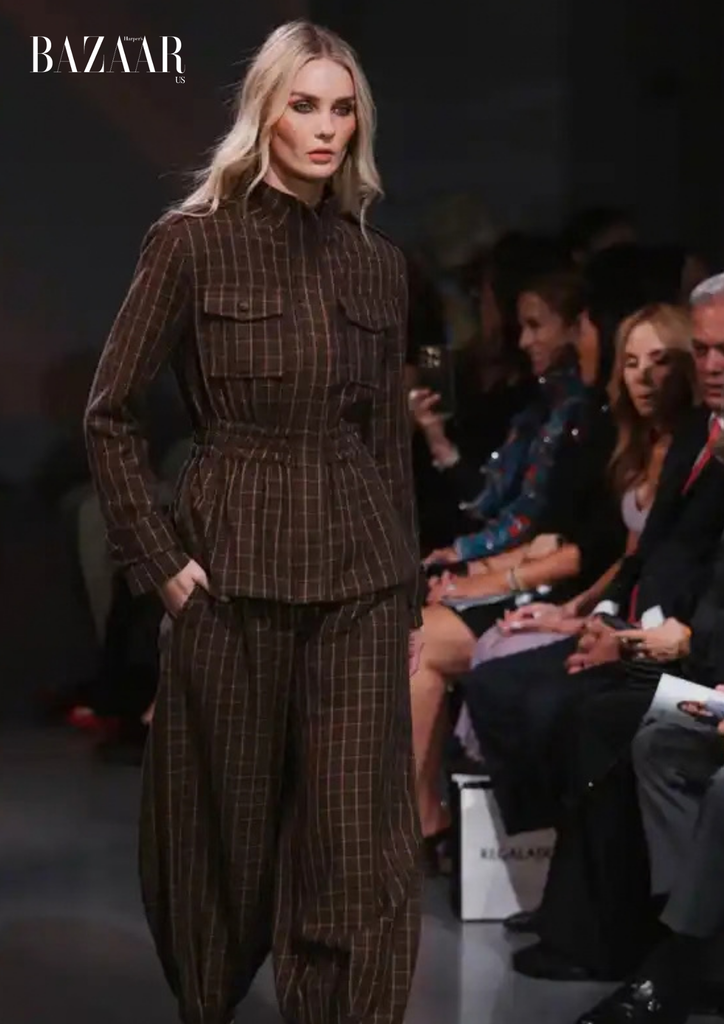
The progression from New York to Paris illustrates the evolution of FDLA itself.
What began as a platform dedicated to elevating Latin American designers has increasingly developed into an international network connecting fashion, media, culture, commerce and community.
Its New York programming demonstrated how fashion can become a platform for visibility and business development. Its Paris debut demonstrated that the appetite for Latin American creativity extends beyond the Americas.
This international expansion is particularly important at a time when fashion audiences are increasingly interested in authenticity, craftsmanship and distinctive cultural perspectives. Latin American designers bring those qualities naturally through their diverse backgrounds and creative traditions.
Yet FDLA’s work is not about presenting Latin American fashion as a single category. Instead, the organization is creating opportunities for individual designers to define their own identities while participating in a larger international conversation.
The Vision of Albania Rosario
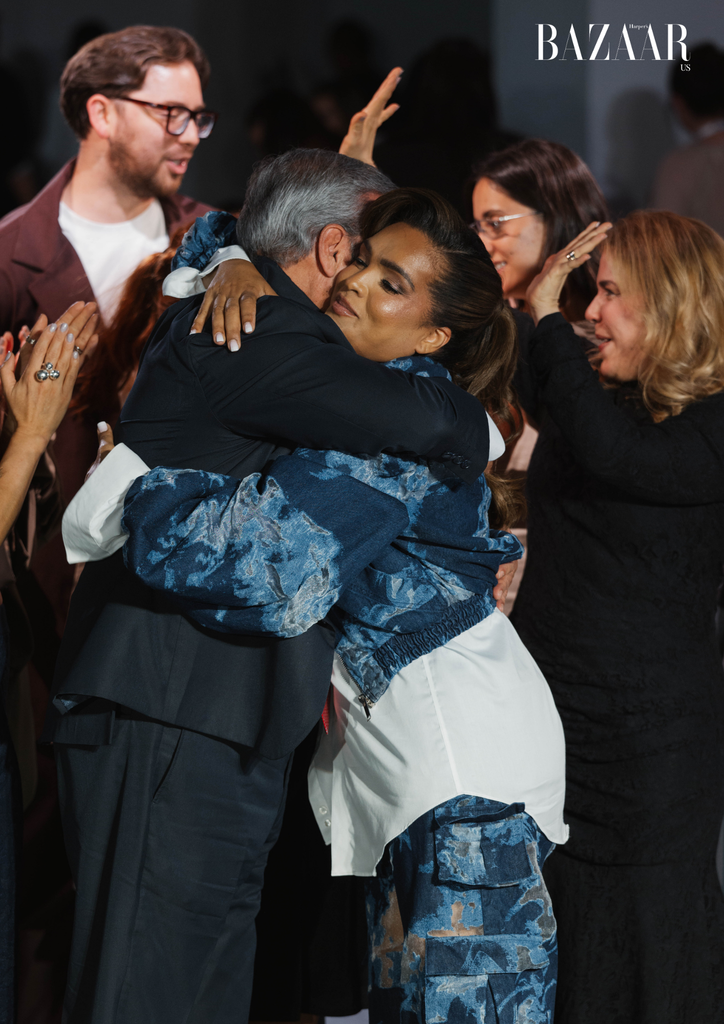
At the center of this journey is Albania Rosario, whose leadership has helped position FDLA as a platform for multicultural fashion and international opportunity.
Her vision extends beyond producing runway shows. Through editorial initiatives, mentorship, strategic partnerships, showroom opportunities and international presentations, FDLA is developing an ecosystem designed to help designers move forward.
The successful Paris debut reinforced that vision.
A full house at Maison de l’Amérique Latine was not simply a measure of attendance. It represented curiosity, recognition and a willingness to engage with creative voices from Latin America.
For Rosario, Paris was another step in a much larger journey.
The message is clear: Latin American designers deserve access to the same global stages, audiences and opportunities as designers from any other part of the world.
A Bridge Between Cultures
FDLA’s September 2026 season ultimately tells a story about movement.
Designers moved from Bogotá, Mexico, Brazil, Colombia, Venezuela, Guatemala, Chile, Argentina and the Dominican Republic toward New York. Then the platform moved onward to Paris.
Fashion crossed borders, but so did culture, craftsmanship and creative ambition.
From the energy of New York Fashion Week to the elegance of Maison de l’Amérique Latine, FDLA demonstrated that Latin American fashion has a place within the global conversation and that its future can be defined by international collaboration.
The journey from New York to Paris is therefore not a conclusion. It is a beginning.
As FDLA continues expanding its international programming, the organization’s greatest contribution may be its ability to create connections that last beyond a runway. By bringing designers into new markets, introducing them to new audiences and creating opportunities for meaningful relationships, FDLA is helping transform visibility into possibility.
Latin American fashion is not simply arriving on the international stage. It is building its own presence on it.
And with New York behind it and Paris now part of its story, FDLA is proving that the bridge it set out to build is becoming increasingly global.
Credits ➖
Photographer:- Mario Iozzi